Research review
Six Vigorus Blend Ingredients vs the Research
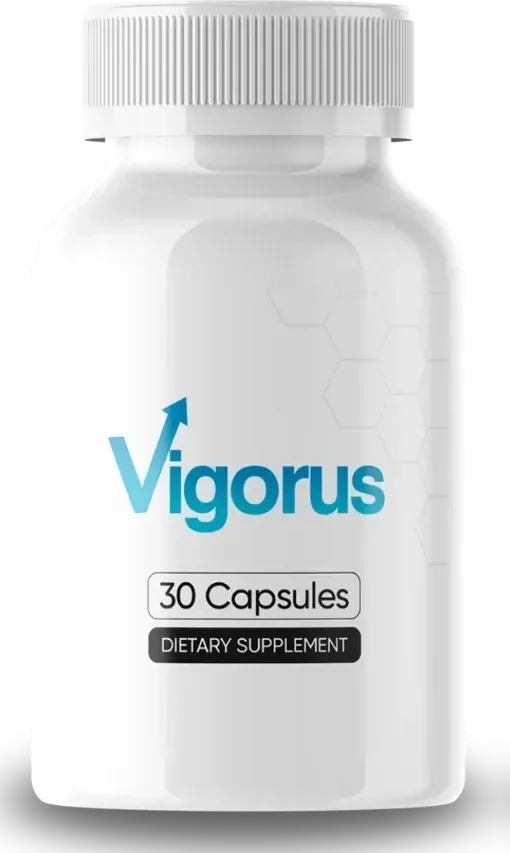
Vigorus puts six ingredients in one 570 mg blend per capsule, with no single amounts. Label order sets ceilings from 570 mg for L-citrulline down to 95 mg for saffron. Studies of L-citrulline used 3 to 10 g a day, L-carnitine 1 to 3 g and maca 500 to 3,000 mg. Every studied dose is above its Vigorus ceiling.
How much of each blend ingredient goes into Vigorus?
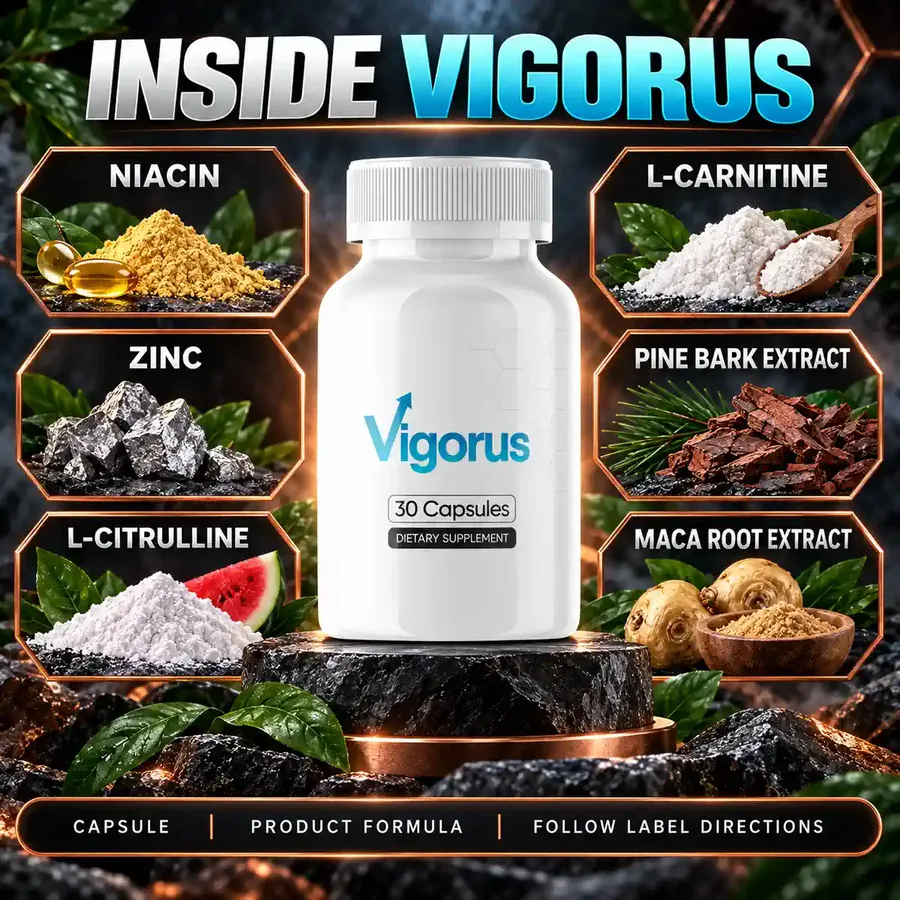
The label does not say. Six ingredients share one 570 mg proprietary blend per capsule, and no single amount is printed.
What the label does give is the order. Blend ingredients are listed from most to least by weight. That lets us work out the most each one could be, a ceiling. This post sets each ceiling next to the doses that published research used. The research looked at single ingredients. No study has tested the Vigorus formula itself.
How do you work out a blend ceiling?
You divide the blend total by the ingredient's place in the list. It is simple math, and it works on any label with a proprietary blend.
Start with the blend total
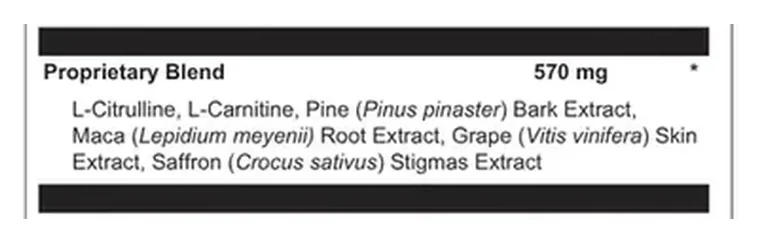
The panel prints "Proprietary Blend 570 mg" for one capsule. That is the weight of all six ingredients together.
Use the label order
US labels list a blend from most to least by weight. L-citrulline is first and saffron is last.
Divide by position
The first item can be the whole 570 mg. The second can be half, 285 mg. The third a third, 190 mg, and so on.
Read them as ceilings
These are the most each one could be. The real amounts are not printed and are likely lower for most of the six.
The ceilings add up to more than 570 mg, which shows they cannot all be true at once. If L-citrulline really were 570 mg, there would be no room for the other five. So read each ceiling as an upper bound, never as a real amount.
How do the six ceilings compare with research doses?
For every ingredient with a studied dose, the Vigorus ceiling sits below it. For two of the six, there is no standard dose to compare at all.
| Label order | Ingredient | Most per capsule | What research used or found |
|---|---|---|---|
| 1 | L-citrulline | 570 mg | About 3 to 10 g a day in blood pressure studies |
| 2 | L-carnitine | 285 mg | About 1 to 3 g a day; stomach upset and fishy odor at 3 g or more |
| 3 | Pine bark extract | 190 mg | Evidence for most uses insufficient; no significant blood pressure benefit in meta-analyses |
| 4 | Maca root extract | 143 mg | Typical use 500 to 3,000 mg a day; no rigorous human proof of effects |
| 5 | Grape skin extract | 114 mg | No standard dose; the label gives no resveratrol amount |
| 6 | Saffron stigmas extract | 95 mg | Five small trials, mostly on mood, not on this formula |
The table uses ceilings, so the real gaps are likely wider. The ingredients page has a card for each one, and the Supplement Facts page quotes the panel word for word.
What does research say about L-citrulline?
L-citrulline is an amino acid that the body can turn into arginine. Studies on blood pressure used about 3 to 10 g a day (Allerton et al., 2018).
It is listed first, so it is the largest share of the blend. Even at its 570 mg ceiling, it is at most about a fifth of the low end of that range. At 10 g, the gap is more than seventeen times.
This matters because L-citrulline is the ingredient most linked to circulation. The Vigorus sales page names circulation among its aims. The label itself makes no such claim, and the dose gap is plain to see.
What does research say about L-carnitine?
L-carnitine is a compound the body makes from amino acids, and it is also found in meat. Studies often used about 1 to 3 g a day (NIH ODS, 2023).
At 3 g or more a day, it can cause stomach upset and a fishy body odor. The Vigorus ceiling is 285 mg, second in the list. That is under a third of the 1 g low end. Most people who eat meat already get some carnitine from food.
What does research say about pine bark extract?
Pine bark extract comes from French maritime pine, Pinus pinaster. Reviews call the evidence for most uses insufficient (MSK, 2023).
Meta-analyses found no significant blood pressure benefit. The Vigorus ceiling is 190 mg. The label does not name a brand or a standard, so there is no way to compare it with a branded extract used in a trial.
What does research say about maca root?
Maca is a root vegetable from the Peruvian Andes. Typical doses run from 500 to 3,000 mg a day, but rigorous human proof of its effects is lacking (LiverTox, 2019).
The same source rates liver injury from maca as unlikely. The Vigorus ceiling is 143 mg, fourth in the list. That is well under the low end of the typical range, and the label does not say what kind of extract it is.
What does research say about grape skin and saffron?
Grape skin extract has no standard dose, and saffron research is small and mostly about mood. Both sit at the bottom of the Vigorus blend.
Grape skin extract
Grape skin, from Vitis vinifera, is often sold for its polyphenols, such as resveratrol. The label gives no resveratrol amount and no strength. The ceiling is 114 mg. Without a standard, a number alone does not tell you much (NIH ODS).
Saffron stigmas extract
Saffron comes from the Crocus sativus flower. A review pooled five small trials, mostly on mood (Hausenblas et al., 2013). Those were trials in patient groups, not in healthy men taking a blend. The Vigorus ceiling is 95 mg, last in the list. This site makes no mood claim for Vigorus.
What should you take away from the comparison?
The comparison shows a small blend spread across six ingredients, most below their studied doses. That is useful to know before you buy, whatever you decide.
- The two printed nutrients, 20 mg niacin and 11 mg zinc, are real, known amounts.
- The six blend ingredients share 570 mg, and none has a printed amount.
- Every ceiling with a studied dose sits below that dose.
- No study has tested the Vigorus formula as a whole.
Some men still like a single daily capsule as part of a routine. The order desk says most reviewers waited 4 to 8 weeks before judging, and the top complaint was a slow start. Those reviews are not independently verified, and results vary. If you want to try it, the bottle pack post shows how the packs fit the 60-day window.
Questions people ask about this
How much L-citrulline is in Vigorus?
The label does not say. It is first in a 570 mg blend, so it is 570 mg at most. Blood pressure studies used about 3 to 10 g a day.
Why are there no single amounts on the label?
The six are listed as a proprietary blend. US rules let a label give only the blend total, in order of weight.
Can I take more capsules to reach research doses?
No. The label says "Do not exceed recommended dose." Take one capsule a day.
Is the saffron in Vigorus for mood?
The label does not say why saffron is included. This site makes no mood claim. Saffron research is small and was mostly done in patient groups.
Has Vigorus itself been studied?
Not that we know of. The research in this post looked at single ingredients.
Sources for this page
- Allerton TD, Proctor DN, Stephens JM, Dugas TR, Spielmann G, Irving BA. L-Citrulline supplementation: impact on cardiometabolic health. Nutrients, 2018. Source
- NIH Office of Dietary Supplements. Carnitine: Fact Sheet for Health Professionals. Updated April 2023. Source
- Memorial Sloan Kettering Cancer Center. Pine Bark Extract (About Herbs). Updated August 2023. Source
- LiverTox: Clinical and Research Information on Drug-Induced Liver Injury. Maca. National Institute of Diabetes and Digestive and Kidney Diseases, 2019. Source
- NIH Office of Dietary Supplements. Dietary Supplements: What You Need to Know. Source
- Hausenblas HA, Saha D, Dubyak PJ, Anton SD. Saffron (Crocus sativus L.) and major depressive disorder: a meta-analysis of randomized clinical trials. J Integr Med, 2013. Source
Keep reading
Ready when you are
Order Vigorus from the authorized US retailer
30 capsules in every bottle, 1 capsule a day. 60-day money-back guarantee. After you buy, the Vigorus order desk handles tracking and refunds.